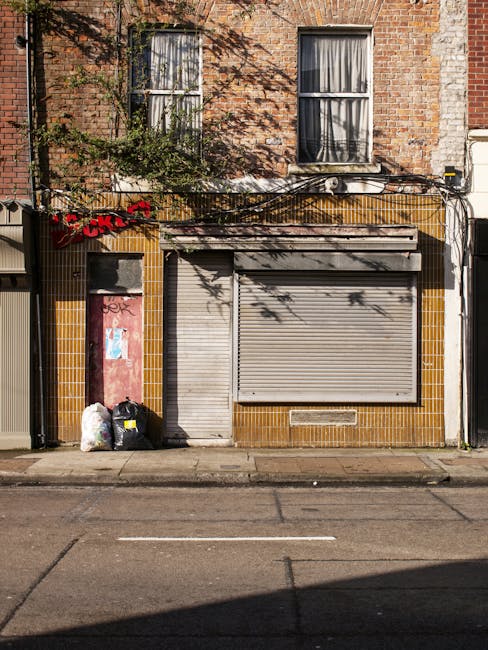
Clear your studio in E2 (Brick Lane): London junk removal tips
If your studio in E2 has started to feel more like a storage cupboard than a place to live, you are not alone. Brick Lane spaces can be brilliant, but they can also get tight very quickly: a spare chair here, a broken desk there, a box of "I'll deal with that later" items in the corner, and suddenly the room feels smaller than it should. This guide on Clear your studio in E2 (Brick Lane): London junk removal tips is here to make the process feel less overwhelming and far more manageable.
You will find a practical, no-nonsense approach to sorting what stays, what goes, and how to handle bulky waste, furniture, appliances, and awkward items without turning the day into a full-scale headache. We will also cover planning, recycling, compliance, and the small local realities that matter in a busy London neighbourhood. Truth be told, a good clearance is often less about lifting and more about making sensible decisions in the right order.
Table of Contents
- Why clearing your studio in E2 matters
- How the clearance process works
- Key benefits and practical advantages
- Who this is for and when it makes sense
- Step-by-step guidance
- Expert tips for better results
- Common mistakes to avoid
- Tools, resources and recommendations
- Law, compliance, standards, or best practice
- Options, methods, or comparison table
- Case study or real-world example
- Practical checklist
- Conclusion
- Frequently asked questions
Why Clear your studio in E2 (Brick Lane): London junk removal tips Matters
A studio in Brick Lane is usually doing a lot of work in a small footprint. It has to function as a bedroom, living room, office, wardrobe, and sometimes dining area too. When clutter builds up, the space stops working. You notice it in small ways at first: you cannot open a wardrobe fully, you start placing bags on the floor, or you keep avoiding one corner because it looks a bit grim. Then it all compounds.
That is why a smart junk removal plan matters. It is not just about "getting rid of stuff". It is about restoring usable space, reducing stress, and making the studio easier to clean, safer to move around in, and more pleasant to spend time in. In a dense part of East London, where access can be awkward and time is often tight, the right approach saves both effort and money.
For renters especially, a clear-out can also help with the end-of-tenancy process. A room that is fully stripped back is easier to inspect, easier to hand over, and less likely to leave you rushing around with a bin bag at 10pm. Let's face it, nobody wants that.
Practical takeaway: the best studio clear-outs are planned in layers: sort, separate, carry, recycle, and only then decide whether professional waste removal is needed. That simple order prevents a lot of chaos.
How Clear your studio in E2 (Brick Lane): London junk removal tips Works
The basic process is straightforward, but the details matter. You begin by identifying what needs to leave the studio, then decide which items can be reused, donated, sold, recycled, or disposed of responsibly. From there, you choose the collection method that matches the volume, weight, and access conditions of your flat.
In a typical E2 studio, the items that create the most trouble are usually bulky or awkward: broken wardrobes, flat-pack furniture that has outlived its usefulness, mattresses, old monitors, small appliances, and bags of mixed rubbish. A professional clearance team can usually handle most of that in one visit, but the outcome depends on how well you prepare. A few minutes of sorting can cut a surprising amount of waste handling time. Small thing, big difference.
Here is the general flow most people follow:
- Walk through the studio and make a simple item list.
- Separate keep, donate, recycle, and remove piles.
- Measure or photograph awkward items if access is tight.
- Check what can be accepted through regular council collection routes or special collection options.
- Book the most appropriate waste removal or clearance service.
- Prepare access so items can be removed quickly and safely.
- Do a final sweep for documents, chargers, keys, and anything you will miss later.
If you are dealing with more than a few bags, you will usually benefit from thinking in terms of bulk waste rather than just "rubbish". That means larger household items, mixed loads, and furniture removal are handled as part of one organised job, not a series of frustrating little trips. If you need a broader approach to mixed household items, rubbish removal and bulky waste collection are useful pages to look at for context.
Key Benefits and Practical Advantages
The biggest benefit is obvious: you get your space back. But there is more to it than that. A properly cleared studio can change how the room feels the moment you walk in. Less visual clutter. Better light. Easier movement. It sounds almost too simple, but it really does affect how you use the space day to day.
- More liveable space: a studio should feel like a home, not a holding area.
- Lower stress: clutter has a way of nagging at you from the corner of your eye.
- Safer movement: fewer trip hazards, fewer blocked walkways, fewer "careful now" moments.
- Cleaner surfaces: dust and debris are easier to handle when there is less around them.
- Better moving day readiness: if you are leaving, the final handover is much simpler.
- Better recycling outcomes: separating items early helps keep reusable and recyclable materials out of general waste.
There is also a practical London advantage. In places like Brick Lane, parking, stairwells, and building access can make even a small clear-out feel fiddly. A well-planned removal avoids repeated lifts, wasted van space, and the kind of "we'll just make one more trip" plan that turns into three. Nobody needs that drama.
For furniture-heavy clear-outs, it can help to compare specialist options. A furniture-focused clearance service is often more efficient than trying to bundle everything into standard rubbish removal. For example, furniture removal and collection or furniture clearance may suit a studio with a bed frame, desk, shelving, and a couple of chairs. If the main issue is a mattress that has had its day, mattress removal and collection is a more targeted option.
Who This Is For and When It Makes Sense
This kind of clearance makes sense for more people than you might think. It is not just for people moving house or dealing with a dramatic life event. A lot of studio clear-outs happen for everyday reasons: a new sofa arrives, the old one has to go; the tenant is ending a lease; the room has become unworkable; or a landlord wants a property reset between occupants.
You might need this if you are:
- a renter in a compact studio flat near Brick Lane or wider E2;
- a landlord preparing for re-let or refurbishment;
- a student or young professional with limited time and no vehicle;
- someone who has accumulated furniture, packaging, or broken items over time;
- an owner planning a quick refresh before decorating or staging.
It also makes sense when access is limited. Many London studios are upstairs, in converted buildings, or tucked behind shared entrances. Carrying items down narrow stairs or through communal hallways is not impossible, but it is rarely fun. If that sounds familiar, a planned collection is often the safer, calmer answer. To be fair, your back will thank you too.
If your studio clearance spills into adjacent spaces like a hallway cupboard, loft storage, or shared utility area, the job can start to feel more like a property clearance than a simple tidy-up. In those cases, a broader service such as property clearance or flat clearance may be more appropriate than trying to piece it together item by item.
Step-by-Step Guidance
If you want the cleanest result with the least stress, work in stages. Rushing straight into lifting can make a small job feel much larger. The sequence below is what tends to work best in real homes, especially where space is limited.
1. Start with a full-room scan
Stand in the doorway and look at the whole studio. What is actually there? Avoid the temptation to dive into the nearest pile. First impressions matter here. You want the big picture: furniture, soft furnishings, electricals, bags, loose rubbish, packaging, and any hidden items under the bed or behind the door.
2. Separate by category, not by mood
Do not sort by "things I like" versus "things I do not like". That gets emotional fast. Sort by what the item is and what can happen to it:
- Keep: essential, useful, and in good condition.
- Donate/sell: clean and usable items.
- Recycle: materials that can be handled responsibly.
- Remove: broken, bulky, contaminated, or no-longer-needed items.
That structure removes some of the mental noise. It is boring in the best possible way.
3. Pull out the awkward items first
Mattresses, desks, wardrobes, sofas, and white goods are usually the blockers. Once those are out, the rest of the studio suddenly feels manageable. If you have a fridge, for example, plan for a dedicated appliance disposal route such as fridge disposal or white goods recycle. That is usually better than leaving heavy appliances until the end and hoping for the best.
4. Check what the council or a collection service can take
Some items may be suitable for council-led collection or special large-item collection, depending on your local arrangements. It is worth checking whether a council large item collection or broader council rubbish collection route is practical for the smaller parts of the job. For mixed or time-sensitive loads, many people prefer a private service because it is simpler and can often be done in a single visit.
5. Prepare access before collection day
This is one of those little details that saves loads of time. Make sure the hallway is clear, lift access is understood, and any locked gates, intercoms, or building rules are sorted in advance. If parking or loading space is tight, plan that too. In Brick Lane, access is often the real bottleneck, not the rubbish itself.
6. Keep valuables and documents separate
It sounds obvious, but the best time to find a passport, old contract, or charging cable is before the pile is gone. Check drawers, under cushions, inside boxes, and the odd bag you have not opened for months. One customer-style scenario we see a lot is a "clearance bag" containing exactly the one item the person wanted to keep. Annoying. Very annoying.
7. Do a final sweep and cleaning pass
Once the junk is gone, vacuum, wipe surfaces, and check corners for dust or debris. A cleared studio looks dramatically better when the remaining floor and skirting boards are clean. That final pass is not a luxury; it is what makes the job feel finished.
Expert Tips for Better Results
A few small choices can improve the result a lot. Not every clear-out needs a military-grade plan, but the best ones usually follow a few simple habits.
- Photograph the room before you begin. It helps you see progress and makes quoting easier if you are asking for a collection estimate.
- Work from the largest item down. Big objects create the most physical and visual clutter, so start there.
- Keep reusable items separate and clean. A dusty chair or stained lamp is much harder to pass on.
- Bundle loose materials sensibly. Cardboard, soft plastics, and mixed waste should not be mixed carelessly if you can avoid it.
- Label what stays. A simple sticky note or marker on boxes prevents accidental removal. Yes, it happens more than people expect.
- Book the collection for a realistic time window. Morning slots often work well because the day is fresh and your energy is too, but pick what suits your building and schedule.
If sustainability matters to you, ask how the waste is sorted after collection and what proportion is directed to reuse or recycling where possible. A service that handles waste recycling and broader recycling and sustainability practices will usually be a better fit than one that treats everything as one anonymous heap. That distinction matters. A lot.
Another useful trick: create a "decision box" for items you are unsure about. Put ambiguous things in one place, then revisit them once the obvious rubbish is out. When the room is less crowded, decisions get easier. Funny how that works.
Common Mistakes to Avoid
Most clearance headaches come from rushing, underestimating, or mixing categories too early. The good news is that these mistakes are easy to avoid once you know what to look for.
- Leaving sorting until collection day: you end up paying in time and stress.
- Ignoring access issues: stairs, parking, and entry codes can delay everything.
- Trying to move heavy items alone: this is where damage and injury happen.
- Mixing recyclables with general waste: it makes responsible disposal harder.
- Forgetting appliance rules: fridges, freezers, and some electronics need special handling.
- Underestimating how much is actually there: a studio can hide a surprising amount in cupboards and under-bed storage.
- Not checking what the service includes: lifting, loading, disposal, and cleaning up may not always be packaged the same way.
One especially common mistake is assuming that all junk removal is basically identical. It is not. A few bags of household rubbish is a very different job from moving a dismantled bed, a heavy mirror, a broken sofa, and an old desk out of a fourth-floor flat with narrow stairs. The difference is real, and it shows up fast on the day.
A small humorous truth: "I'll do it after work" is often the first lie clutter tells you. Then a month passes. Happens to the best of us.
Tools, Resources and Recommendations
You do not need a lot of equipment, but having the right basics makes studio clearance far easier. A simple set of tools can save a lot of swearing under your breath. Just a bit.
- Heavy-duty bags: for mixed rubbish and soft clutter.
- Work gloves: for sharp edges, dust, and rough materials.
- Dust sheets or old towels: useful when shifting items through a clean hallway.
- Marker pens and labels: to distinguish keep, donate, recycle, and remove.
- Box cutter or screwdriver set: helpful for dismantling flat-pack furniture.
- Measuring tape: handy if you need to confirm whether a wardrobe or sofa can clear a doorway.
- Cleaning cloths and vacuum: for the final reset after removal.
For item-specific situations, specialist clearance pages can help you plan smarter. If your studio contains a bed frame or mattress, look at bed disposal and mattress disposal. If the main issue is worn-out seating, sofa removal and collection is relevant. For desks, shelving, and mixed furnishings, furniture disposal is often the most useful starting point.
It can also help to compare service types before you book. Some people want the fastest "take it all away" option; others prefer to split reusable items from waste. Neither approach is wrong. It depends on time, budget, and how much effort you want to spend sorting. The best choice is the one you can actually complete without becoming fed up halfway through.
Law, Compliance, Standards, or Best Practice
Studio clear-outs in London should be handled with care, especially when waste includes electrical items, fridges, mattresses, paint, chemicals, or anything sharp or potentially hazardous. You do not need to become an expert in waste law, but you do need to make sensible, lawful choices. In practice, that means using a reputable service that manages disposal responsibly and avoids fly-tipping or improper dumping.
In the UK, household waste should be handed to legitimate collectors or routed through approved local collection systems. If you are using a third-party service, it is reasonable to ask how waste is handled, whether items are sorted for reuse or recycling where possible, and whether the team has appropriate insurance and safety practices. That is not being awkward. That is just being sensible.
For landlords, managing agents, or business occupants, there may be additional expectations around duty of care, access, and disposal records. If a studio is being used for business purposes or forms part of a live-work arrangement, a service such as commercial waste collection or business waste removal may be more suitable than a standard household collection. Better to match the service to the waste stream than guess and hope.
Best practice also includes safe lifting, proper segregation of materials, and leaving communal areas clean. If you live in a converted building with shared stairs or corridors, protect surfaces and avoid blocking exits. That may sound obvious, but it is exactly the sort of detail that gets overlooked when people are in a rush.
For readers who want reassurance on provider standards, pages such as insurance and safety, health and safety policy, and waste disposal can help you understand the kind of operational care a responsible company should provide.
Options, Methods, or Comparison Table
There is more than one way to clear a studio, and the right option depends on how much waste you have, how fast you need it gone, and what type of items are involved. Here is a practical comparison.
| Method | Best for | Pros | Limitations |
|---|---|---|---|
| Self-clear and council route | A few smaller items or light waste | Can be cost-effective; suits simple jobs | May require more time, lifting, and checking local rules |
| Private bulky waste collection | Mattresses, furniture, mixed household items | Fast, convenient, usually less hassle on the day | Cost depends on volume, access, and item type |
| Full studio clearance | Most or all contents need removing | Best for speed, resets the whole room in one visit | May be more than you need if only a few items are involved |
| Specialist item disposal | Fridges, sofas, beds, white goods | Proper handling of awkward items | Less flexible if you need lots of different items removed at once |
If you are deciding between partial removal and a complete reset, ask yourself one honest question: do you want to keep managing clutter item by item, or do you want the room properly reset once and for all? That is usually the real choice. The answer decides a lot.
For many E2 studios, the sweet spot is a mixed approach: donate or keep anything useful, then book a removal for the bulky and awkward remainder. That balances effort, price, and convenience without overcomplicating the process.
Case Study or Real-World Example
Imagine a compact Brick Lane studio occupied by a tenant at the end of a long lease. The room has a double bed, a small desk, a chair, a mattress, two broken storage units, a fridge, a pile of cardboard, and assorted bags of old clothes and household bits. Nothing dramatic, but enough to feel impossible when you stand in the doorway and look in. The kind of room that makes people say, "Right, where do I even start?"
The solution is to break the job down. First, separate personal items and paperwork. Then remove anything reusable, such as a working lamp or decent storage box, into a keep pile. Next, identify the bulky items: mattress, fridge, desk, and shelving. After that, group the remaining soft waste and cardboard separately.
At that point, the tenant has a clear picture of the job. The mattress and fridge require proper disposal handling, the furniture needs dismantling or collection, and the lighter waste can be bagged up. By the time collection day arrives, the room is already prepared. Items are near the exit, the hallway is protected, and the job is completed in one coordinated visit rather than dragged out over several days.
What makes the biggest difference in this kind of real-world studio clearance is not brute force. It is preparation. Once the room is sorted by category, the actual removal becomes strangely straightforward. Almost anticlimactic, really. Which is exactly what you want.
Practical Checklist
Use this checklist before you book or start the clearance. It keeps the day tidy and helps prevent avoidable delays.
- Walk through the studio and note every item that needs attention.
- Separate keep, donate, recycle, and remove piles.
- Check cupboards, under-bed storage, and behind furniture.
- Set aside documents, keys, chargers, and personal valuables.
- Measure bulky items if access is tight.
- Confirm whether any items need specialist disposal, such as fridges or mattresses.
- Clear the hallway and make sure entry points are accessible.
- Check parking or loading arrangements if needed.
- Protect shared floors or walls if items will be carried through communal areas.
- Book enough time to do a final clean after removal.
- Keep donation-worthy items separate and clean.
- Ask how waste will be handled, especially if you care about recycling.
If you have ticked most of those boxes, you are in a good place. Not perfect, maybe. But very workable. And that is often all you need.
Get a free quote today and see how much you can save.
Conclusion
Clearing a studio in E2 does not have to be messy, expensive, or stressful. With the right plan, you can turn a cramped Brick Lane room into a space that feels open, functional, and much easier to live in. The real wins come from simple discipline: sort first, separate bulky items, plan access, and choose the right disposal route for the job.
If you are dealing with furniture, mattresses, appliances, or a full flat reset, the best outcome is usually the one that combines speed with responsible handling. That is especially true in London, where access can be awkward and time is often short. A little structure goes a long way. A really long way, actually.
Start with the biggest items, keep the keep-pile sacred, and do not leave the final sweep until you are too tired to care. Once the room is clear and the dust has settled, you will feel the difference immediately. It is a simpler space, yes, but also a calmer one. And that matters more than people often admit.
Frequently Asked Questions
What is the best way to clear a studio in E2 without making a mess?
The cleanest approach is to sort everything into keep, donate, recycle, and remove piles before lifting anything out. That reduces confusion and keeps the room usable while you work.
Can I use council collection for studio rubbish in Brick Lane?
Sometimes, yes, depending on the item type and local collection rules. Smaller or standard household items may fit council routes, but bulky furniture and mixed loads are often easier through a private collection.
What items usually need specialist disposal?
Fridges, freezers, mattresses, sofas, and some electrical items often need more careful handling than general rubbish. If you are unsure, treat them as specialist items rather than lumping them in with mixed waste.
How do I know whether I need a full clearance or just a bulky waste collection?
If only a few large items are leaving, bulky waste collection may be enough. If most of the studio contents need to go, a full clearance is usually more efficient and less stressful.
Is it better to dismantle furniture before collection?
Usually, yes, if it is safe and practical to do so. Dismantled furniture is easier to move through narrow hallways and staircases, and it often helps the collection go faster.
What should I do with items I might want to keep later?
Put them in a separate "maybe" box and store that away from the removal pile. If it is mixed in with junk, it is easy to lose track of it. People do this all the time, honestly.
How can I prepare for a clearance in a building with tight access?
Measure doorways, stair turns, and lift space if needed. Clear the route in advance, and make sure any building access codes, entry instructions, or parking issues are sorted before collection day.
Will a studio clearance include cleaning?
Not always in a deep-clean sense. Many services focus on removal and basic tidy-up after items are taken away. If you need the room thoroughly cleaned, check what is included before booking.
Can I recycle furniture and white goods from a studio clearance?
Often yes, depending on condition and item type. Usable furniture may be suitable for reuse, while white goods and other electricals usually need to be routed through proper recycling or disposal channels.
How long does it usually take to clear a small studio?
It depends on volume, access, and how much sorting is done in advance. A well-prepared studio with straightforward access may be much quicker than one with narrow stairs, mixed items, and no prior organisation.
What if I am clearing the studio before the end of a tenancy?
Focus on getting everything personal out first, then remove bulky waste and finish with a full sweep for hidden items. A clean handover is much easier when the room has been emptied in a structured way.
Do I need to worry about safety during the clearance?
Yes, especially with heavy lifting, sharp edges, broken glass, or awkward items. Use gloves, take your time, and do not force an item through a tight gap if it risks damaging the property or hurting someone.