Efficient White Goods Recycle in House Clearances

Understanding White Goods Recycling
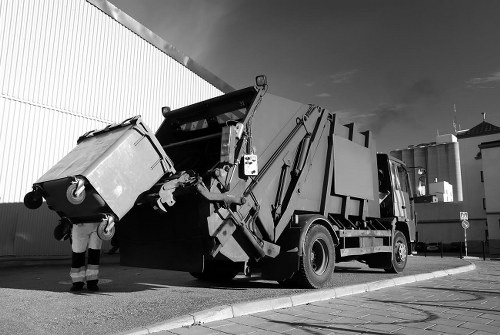
A large commercial rubbish collection vehicle parked on a paved surface near a modern industrial or commercial building, with a waste collection arm extended to deposit a large, rectangular metal wheelie bin into the hopper of the truck. The bin is textured with a smooth, painted surface, and appears to be made of durable metal material with a slightly reflective finish. The scene is set outdoors under a partly cloudy sky, with sunlight casting defined shadows on the ground. The truck is equipped with safety and operational features typical of waste management vehicles, including side mirrors and hydraulic lifting equipment. In the background, there are additional industrial structures and a clear, open area, indicating a dedicated waste disposal or recycling zone. This image exemplifies the kind of waste collection service provided by House Clearances London for the removal of waste items such as large household or commercial refuse bins, aligning with their rubbish removal services in the London area, including nearby boroughs and postcode districts.

White goods, encompassing major household appliances like refrigerators, washing machines, and ovens, are integral to modern living. However, as technology advances and homes undergo clearances, the need to responsibly recycle these bulky items becomes paramount. Not only does recycling white goods contribute to environmental sustainability, but it also ensures that valuable materials are repurposed, reducing the strain on natural resources.

Recycling white goods involves the systematic process of dismantling appliances, segregating materials, and processing them for reuse. This process mitigates the negative impact of waste on the environment by diverting these items from landfills and promoting the circular economy. Moreover, proper recycling can recover metals, plastics, and other components, making it a crucial aspect of sustainable living.

In the context of house clearances, white goods recycling takes on added significance. Clearing out a home often involves disposing of old appliances, and ensuring they are recycled correctly can prevent potential hazards and environmental degradation. By choosing responsible recycling services, homeowners can contribute to a greener planet while simplifying their clearance process.

The Importance of Recycling White Goods
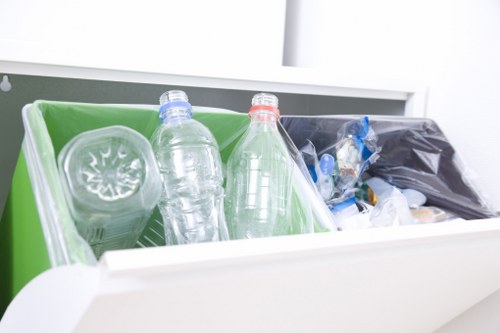
The image shows the interior of a white household appliance drawer, possibly a freezer or fridge, with two transparent plastic bottles inside. One bottle has a blue cap and the other a red cap, both containing clear liquid. The bottles have a smooth, slightly curved surface typical of PET plastic containers. To the right of these bottles, there is a black plastic garbage bag and a crumpled transparent plastic bag, which may contain additional recyclable items. The background features a white surface, indicating a clean and organized environment, possibly in a kitchen or utility area in London. The lighting is bright and even, highlighting the textures and transparency of the plastic items. This scene illustrates a typical recyclable waste collection setup that House Clearances London might handle, aligned with rubbish removal services focused on white goods recycling and waste disposal in the local area near central London postcode regions.

Recycling white goods is essential for several reasons. Firstly, it conserves natural resources by reclaiming materials like steel, aluminum, and copper, which can be reused in manufacturing new products. This reduces the need for mining and extraction, preserving ecosystems and biodiversity.

Secondly, recycling helps decrease greenhouse gas emissions. Manufacturing new appliances from recycled materials typically consumes less energy compared to producing them from virgin resources. This energy efficiency translates to lower carbon footprints, aiding in the fight against climate change.

Furthermore, proper disposal of white goods prevents potential harm to human health and the environment. Many appliances contain hazardous substances such as refrigerants and heavy metals, which can leach into the soil and water if not handled correctly. Recycling ensures these materials are safely managed and disposed of, safeguarding public health.

Steps to Recycle White Goods During House Clearances
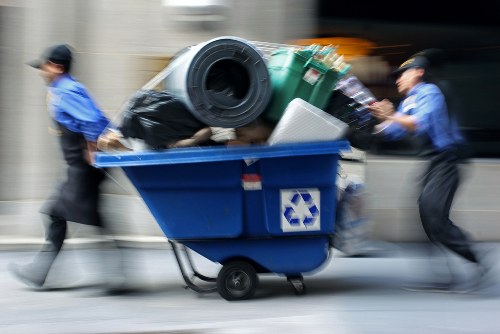
A blue wheeled rubbish bin positioned outdoors on a paved surface, filled with various discarded household items including a black plastic bag, a white appliance or piece of furniture, and a large green and black waste container. The background shows a neutral-colored urban wall, and two workers, dressed in blue uniforms and dark trousers, are seen pushing the bin from opposite sides. The scene appears to be in an urban area consistent with London, with motion blur indicating movement. This setup reflects typical rubbish collection and waste removal activities managed by services like House Clearances London, which specializes in waste management and white goods recycling solutions to clear household or commercial waste in the local postcode areas.

Recycling white goods during house clearances involves a systematic approach to ensure efficiency and compliance with environmental regulations. Here are the key steps to follow:

  1. Assessment: Begin by evaluating the condition and type of each appliance. Determine whether they are still functional, can be repaired, or need to be recycled.
  2. Sorting: Separate appliances based on their category, material composition, and recyclability. This facilitates the recycling process and ensures each item is handled appropriately.
  3. Choosing a Recycling Service: Select a reputable recycling company that adheres to environmental standards and offers comprehensive recycling solutions for white goods.
  4. Preparation: Disconnect and safely remove appliances from the premises. Ensure that all hazardous materials are properly handled during this phase.
  5. Transportation: Arrange for the efficient transport of appliances to the recycling facility, minimizing the carbon footprint associated with movement.

By following these steps, homeowners can ensure that their white goods are recycled responsibly, contributing to environmental preservation and compliance with local regulations.

Benefits of Professional Recycling Services
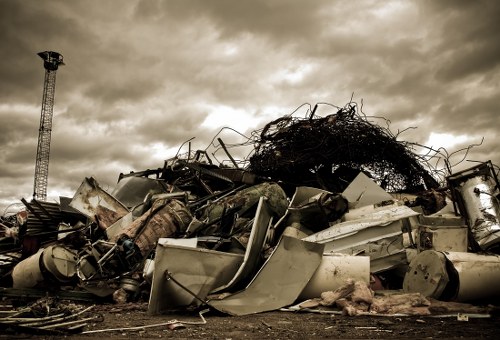
A large pile of discarded white goods, including washing machines, dryers, and other household appliances, is stacked outdoors on a paved surface. The appliances are made of metal and plastic, with visible finishes in shades of white, grey, and beige; some surfaces show signs of rust, dirt, and wear. The pile is situated in an open area with an overcast sky overhead, featuring dark clouds that cast diffuse lighting across the scene. In the background, a tall metal tower or light pole is visible to the left, and the surrounding environment appears to be an industrial or waste disposal site possibly located in or near an urban area like London. The appliances are randomly arranged, some resting on top of others, with wires and metal parts protruding. The overall scene reflects a typical waste collection or clearance operation by a rubbish removal service such as House Clearances London, emphasizing the handling of bulky household waste, possibly from a house clearance in the area.

Engaging professional recycling services offers numerous advantages during house clearances. These experts possess the necessary equipment and expertise to handle large appliances, ensuring safe and efficient recycling.

Environmental Compliance: Professional services adhere to environmental laws and standards, ensuring that all recyclable materials are processed correctly and hazardous substances are managed responsibly.

Efficiency and Convenience: These services streamline the recycling process, saving homeowners time and effort. They handle the logistics of collection, transportation, and processing, making the clearance process smoother.

Sustainability and Environmental Impact
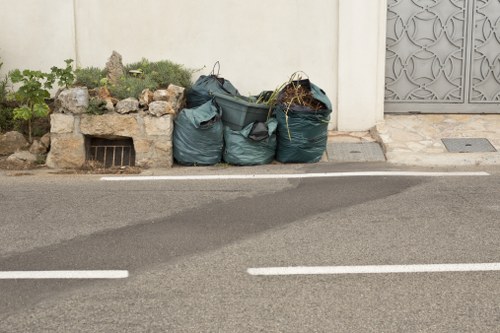
A row of four large, dark green rubbish bags filled with household waste is placed along the edge of a residential street pavement, positioned in front of a white wall with a small, rectangular drainage grate partially visible behind the bags. The bags appear to be made of durable plastic or thick material, with some showing creases and slight tears, and they are filled with mixed domestic items, possibly including textiles and lightweight debris. To the left of the bags, there is a small section of a garden bed with nearby foliage and rocks. On the right side, a decorative metal pedestrian gate with geometric patterns is visible, set into a white wall that runs along the background. The street surface is asphalt with clear white road markings, typical of urban or suburban areas in London, and the scene reflects a routine rubbish collection or clearance process managed by House Clearances London, specialising in rubbish removal services within the local postcode area.

Recycling white goods significantly contributes to sustainability by promoting the reuse of materials and reducing waste. This practice supports the principles of the circular economy, where products are designed for longevity, reuse, and recycling, minimizing the need for new resource extraction.

Moreover, recycling reduces the environmental footprint associated with manufacturing new appliances. By reusing existing materials, the demand for raw resources decreases, leading to less environmental degradation and energy consumption.

In essence, responsible white goods recycling during house clearances is a vital component of sustainable living, fostering environmental stewardship and resource conservation for future generations.

How to Choose the Right Recycling Service

A large commercial rubbish collection vehicle parked on a paved surface near a modern industrial or commercial building, with a waste collection arm extended to deposit a large, rectangular metal wheelie bin into the hopper of the truck. The bin is textured with a smooth, painted surface, and appears to be made of durable metal material with a slightly reflective finish. The scene is set outdoors under a partly cloudy sky, with sunlight casting defined shadows on the ground. The truck is equipped with safety and operational features typical of waste management vehicles, including side mirrors and hydraulic lifting equipment. In the background, there are additional industrial structures and a clear, open area, indicating a dedicated waste disposal or recycling zone. This image exemplifies the kind of waste collection service provided by House Clearances London for the removal of waste items such as large household or commercial refuse bins, aligning with their rubbish removal services in the London area, including nearby boroughs and postcode districts.

Selecting the appropriate recycling service is crucial to ensure that white goods are handled responsibly. Here are some factors to consider:

  • Reputation: Look for companies with positive reviews and a track record of reliable service.
  • Compliance: Ensure that the service adheres to local and national recycling regulations and environmental standards.
  • Comprehensive Service: Opt for providers that offer a full range of services, including collection, transportation, and processing of white goods.
  • Transparency: Choose services that provide clear information about their recycling processes and sustainability practices.

By carefully evaluating these aspects, homeowners can select a recycling service that aligns with their environmental values and clearance needs.

Cost-Effectiveness of Recycling

The image shows the interior of a white household appliance drawer, possibly a freezer or fridge, with two transparent plastic bottles inside. One bottle has a blue cap and the other a red cap, both containing clear liquid. The bottles have a smooth, slightly curved surface typical of PET plastic containers. To the right of these bottles, there is a black plastic garbage bag and a crumpled transparent plastic bag, which may contain additional recyclable items. The background features a white surface, indicating a clean and organized environment, possibly in a kitchen or utility area in London. The lighting is bright and even, highlighting the textures and transparency of the plastic items. This scene illustrates a typical recyclable waste collection setup that House Clearances London might handle, aligned with rubbish removal services focused on white goods recycling and waste disposal in the local area near central London postcode regions.

Contrary to common misconceptions, recycling white goods can be cost-effective. Many recycling services offer competitive pricing, and in some cases, even provide incentives or discounts for responsible disposal. Additionally, the long-term environmental benefits translate into economic savings by reducing the need for raw material extraction and energy consumption.

Furthermore, proper recycling can mitigate potential fines and penalties associated with improper disposal of bulky appliances. By investing in professional recycling services, homeowners can avoid these costs and contribute to a sustainable future.

Recycling Benefits for the Community

A blue wheeled rubbish bin positioned outdoors on a paved surface, filled with various discarded household items including a black plastic bag, a white appliance or piece of furniture, and a large green and black waste container. The background shows a neutral-colored urban wall, and two workers, dressed in blue uniforms and dark trousers, are seen pushing the bin from opposite sides. The scene appears to be in an urban area consistent with London, with motion blur indicating movement. This setup reflects typical rubbish collection and waste removal activities managed by services like House Clearances London, which specializes in waste management and white goods recycling solutions to clear household or commercial waste in the local postcode areas.

White goods recycling extends its benefits beyond individual households, positively impacting the entire community. By reducing the volume of waste in landfills, communities can experience less pollution and improved public health. Additionally, recycling initiatives create jobs in the recycling and manufacturing sectors, fostering economic growth.

Community recycling programs also promote environmental awareness and encourage sustainable practices among residents. This collective effort leads to a more environmentally conscious society, fostering a culture of responsibility and stewardship.

Technological Advances in Recycling

A large pile of discarded white goods, including washing machines, dryers, and other household appliances, is stacked outdoors on a paved surface. The appliances are made of metal and plastic, with visible finishes in shades of white, grey, and beige; some surfaces show signs of rust, dirt, and wear. The pile is situated in an open area with an overcast sky overhead, featuring dark clouds that cast diffuse lighting across the scene. In the background, a tall metal tower or light pole is visible to the left, and the surrounding environment appears to be an industrial or waste disposal site possibly located in or near an urban area like London. The appliances are randomly arranged, some resting on top of others, with wires and metal parts protruding. The overall scene reflects a typical waste collection or clearance operation by a rubbish removal service such as House Clearances London, emphasizing the handling of bulky household waste, possibly from a house clearance in the area.

Advancements in recycling technology have enhanced the efficiency and effectiveness of processing white goods. Modern facilities employ sophisticated machinery and methods to dismantle appliances accurately, ensuring maximum material recovery. Innovations such as automated sorting systems and eco-friendly processing techniques contribute to higher recycling rates and reduced environmental impact.

These technological strides make recycling more accessible and reliable, encouraging more households to participate in recycling programs during house clearances. Embracing these advances is essential for achieving higher sustainability goals and minimizing waste.

Regulatory Framework for Recycling

A row of four large, dark green rubbish bags filled with household waste is placed along the edge of a residential street pavement, positioned in front of a white wall with a small, rectangular drainage grate partially visible behind the bags. The bags appear to be made of durable plastic or thick material, with some showing creases and slight tears, and they are filled with mixed domestic items, possibly including textiles and lightweight debris. To the left of the bags, there is a small section of a garden bed with nearby foliage and rocks. On the right side, a decorative metal pedestrian gate with geometric patterns is visible, set into a white wall that runs along the background. The street surface is asphalt with clear white road markings, typical of urban or suburban areas in London, and the scene reflects a routine rubbish collection or clearance process managed by House Clearances London, specialising in rubbish removal services within the local postcode area.

Understanding the regulatory landscape is vital for effective white goods recycling. Various laws and guidelines govern the disposal and recycling of large appliances, ensuring that environmental standards are upheld. These regulations typically cover aspects such as the handling of hazardous materials, requirements for recycling facilities, and penalties for non-compliance.

Staying informed about local and national regulations helps homeowners navigate the recycling process smoothly, ensuring that their actions align with legal obligations and contribute to broader environmental objectives.

Tips for Maximizing Recycling Efficiency

To optimize the recycling process during house clearances, consider the following tips:

  • Plan Ahead: Schedule recycling services in advance to ensure timely and organized clearance.
  • Educate Yourself: Familiarize yourself with the types of white goods that can be recycled and the appropriate disposal methods.
  • Reduce and Reuse: Before opting for recycling, assess if certain appliances can be donated or repurposed.
  • Stay Organized: Keep track of all appliances being cleared to ensure none are overlooked during recycling.

Implementing these strategies enhances the effectiveness of white goods recycling, contributing to a smoother house clearance experience and greater environmental benefits.

Future of White Goods Recycling

The future of white goods recycling looks promising, with ongoing innovations and increasing environmental awareness driving improvements in the sector. Enhanced recycling technologies, better regulatory frameworks, and greater public participation are set to further reduce the environmental impact of household appliances.

Moreover, the integration of smart technologies and the Internet of Things (IoT) in appliances may facilitate more efficient recycling processes, such as automated disassembly and material tracking. These advancements will play a crucial role in achieving higher recycling rates and fostering a more sustainable society.

As environmental concerns continue to take center stage, the importance of white goods recycling will only grow, making it an essential practice for homeowners and communities alike.

Get Started with Your White Goods Recycling Today

A large commercial rubbish collection vehicle parked on a paved surface near a modern industrial or commercial building, with a waste collection arm extended to deposit a large, rectangular metal wheelie bin into the hopper of the truck. The bin is textured with a smooth, painted surface, and appears to be made of durable metal material with a slightly reflective finish. The scene is set outdoors under a partly cloudy sky, with sunlight casting defined shadows on the ground. The truck is equipped with safety and operational features typical of waste management vehicles, including side mirrors and hydraulic lifting equipment. In the background, there are additional industrial structures and a clear, open area, indicating a dedicated waste disposal or recycling zone. This image exemplifies the kind of waste collection service provided by House Clearances London for the removal of waste items such as large household or commercial refuse bins, aligning with their rubbish removal services in the London area, including nearby boroughs and postcode districts.

Ready to make a positive impact on the environment while simplifying your house clearance? Contact us today to schedule professional white goods recycling services. Our expert team ensures that your household appliances are recycled responsibly, adhering to all environmental standards and regulations.

Don’t let old appliances go to waste. Book your service now and contribute to a sustainable future by choosing efficient and reliable white goods recycling during your house clearance.

Frequently Asked Questions

We use state-of-the-art machinery and eco-friendly processes to ensure efficient and safe recycling of white goods. Our team is trained in the latest industry techniques to handle all types of appliances responsibly. Contact our team for a quick quote and experience top-notch recycling services.

Yes, we are proud members of the Recycling Association and hold accreditations from leading industry bodies. These certifications reflect our commitment to maintaining high standards in white goods recycling. Reach out to us to learn more about our accredited services.

Absolutely. We are fully certified and insured, guaranteeing that all recycling activities comply with local and national regulations. Our legal compliance ensures peace of mind for our customers. Contact us today to discuss your recycling needs with confidence.

We achieve a recycling rate of over 95%, prioritizing the responsible disposal and recycling of white goods. Our environmental practices minimize waste and reduce the carbon footprint. Get in touch with our team to support eco-friendly recycling solutions.

Preparing your white goods for recycling is simple. Ensure appliances are clean, remove any personal items, and disconnect them safely. Our team can guide you through the process to make recycling hassle-free. Contact us for detailed preparation tips.

We recycle a wide range of white goods including refrigerators, washing machines, dishwashers, and ovens. No matter the brand or size, our experts handle each appliance with care. Reach out to us to recycle your specific items efficiently.

Our recycling services are affordable and tailored to fit your budget. Costs vary based on the type and number of appliances, but we strive to provide competitive pricing without compromising quality. Contact our team for a personalized quote today.

With over 15 years in the industry, we have a proven track record of reliable and trustworthy white goods recycling. Our extensive experience ensures that your appliances are recycled safely and efficiently. Get in touch to benefit from our expertise.

Yes, our recycling process adheres to strict safety standards to protect your home and family. We handle all appliances with care, ensuring no harm comes during collection or processing. Contact us to ensure a safe recycling experience.

We offer some of the most affordable white goods recycling services without sacrificing quality. Our transparent pricing ensures you know exactly what you're paying for. Reach out to us for budget-friendly recycling solutions.

Transparency is a cornerstone of our services. We provide clear information on how your appliances are recycled and offer updates throughout the process. Trust us to handle your white goods with honesty and integrity. Contact us to learn more.

Choosing us means opting for a trusted, licensed, and customer-focused recycling service. With years of experience and a commitment to ethical practices, we ensure your white goods are recycled responsibly. Get in touch with our local team for reliable recycling.
House Clearances London

Discover the importance and process of white goods recycling during house clearances. Learn how responsible disposal benefits the environment and find tips for efficient recycling.

Get A Quote

Get In Touch With Us.

Please fill out the form below to send us an email and we will get back to you as soon as possible.