House Clearances London: Recycling and Sustainability Commitment
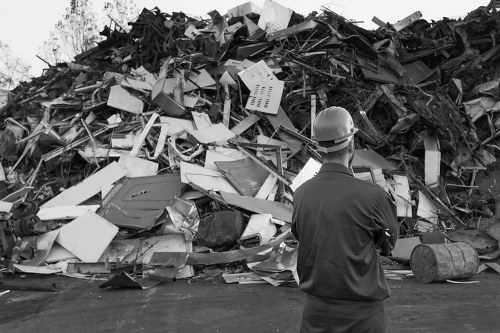 At House Clearances London we place sustainability at the heart of every property clearance. Our London house clearances teams work across boroughs from Camden to Southwark, and from Westminster to Hackney, adapting to local waste separation rules while aiming to divert as much material as possible from landfill. We manage furniture reuse, electronics recycling and careful segregation of wood, metal, glass and textiles to meet both local authority requirements and our internal environmental goals.
We have set an ambitious recycling percentage target of 90% reuse or recycling for standard clearances, measured across household and estate clearances in the capital. This target covers materials we directly recycle, items we refurbish for reuse and donations passed to partner charities. Achieving this requires precise sorting on-site, regular route consolidation and strong relationships with local transfer stations and material processors.
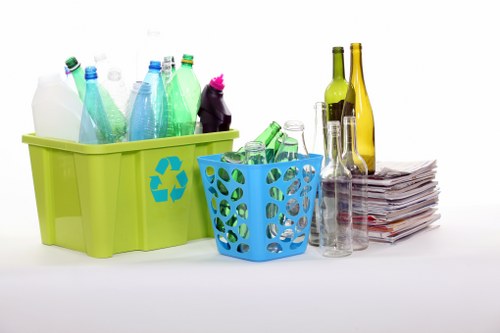
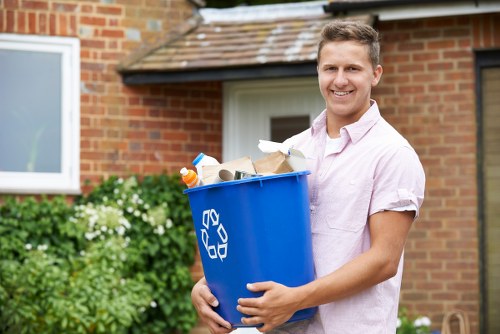 Our property clearance teams are trained in borough-specific separation practices: where some boroughs operate separate food waste collection and expect glass, paper and plastic to be multi-streamed, our crews follow those policies when servicing the area. Whether a house clearance in north London or a clearance service in outer boroughs, we align with local council guidelines and document the destination of recovered materials to ensure transparency.
Local Transfer Stations and Responsible Disposal
We work with a network of authorised local transfer stations and Material Recovery Facilities (MRFs) across London to process sorted materials. Using nearby facilities reduces transport miles and emissions: wood is sent to specialist wood processors, metals go to certified scrap handlers, and mixed recyclables are routed to borough-approved MRFs. Where hazardous items are encountered—such as fluorescent tubes or certain batteries—they are taken to licensed hazardous waste points to meet strict environmental controls.
 For larger clearance projects, our logistics team plans drop-offs to minimise double handling. Consolidating loads at transfer stations helps us hit our 90% recycling ambition while maintaining compliance with Waste Transfer Note requirements. We also audit our waste routes periodically to identify opportunities for even greater diversion and improved chain-of-custody records.
We maintain a clear hierarchy of waste preference: re-use first, then recycling, followed by recovery if no alternative exists. That practical approach enables our London clearance services to exceed many standard municipal diversion rates and supports circular economy principles across the city.
Charity Partnerships and Community Reuse
 Strong partnerships with reputable charities are central to our reuse strategy. We collaborate with national and local organisations that accept furniture, soft furnishings and household items for resale or redistribution. Typical partners include furniture reuse charities, community social enterprises and specialist refurbishers for electrical items. This network ensures that items in good condition are reused locally, benefiting Londoners while reducing the environmental footprint of clearances.
Key examples of our reuse pathways include:
- Furniture and fixtures refurbished or made available to community shops;
- Working electronics tested, data-wiped and passed to refurbishers;
- Textiles and soft furnishings assessed for reuse or recycled through textiles processors;
- Metals and robust building materials recovered for industrial recycling streams.
These partnerships not only contribute to our high recycling and reuse rates but also support social causes across London. We perform condition assessments on-site to maximise donations and minimise unnecessary recycling processing for items that are perfectly serviceable.
Low-Carbon Vans and Smarter Routing
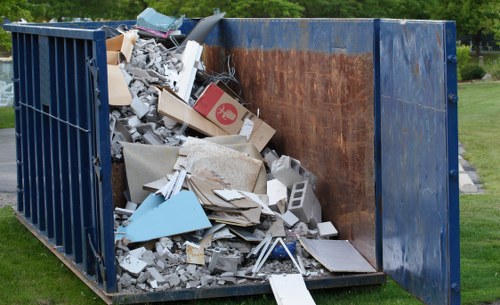 Our transport fleet is being upgraded to low-emission vehicles as part of our sustainability roadmap. We operate a mix of electric vans and plug-in hybrids for inner-London work, complemented by low-emission Euro 6 vehicles for outer boroughs where charging infrastructure is less available. This reduces urban air pollution and aligns our house clearance services in London with the city’s Ultra Low Emission Zone objectives.
Route optimisation software helps us minimise miles travelled and unnecessary journeys. By grouping bookings geographically, prioritising multi-stop collections and planning drop-offs to nearby transfer stations or charity partners, we reduce fuel use and emissions per clearance. Drivers are trained in eco-driving techniques and load management to further lower the carbon impact of each visit.
Monitoring and continuous improvement are core to our approach. We publish annual sustainability summaries that track our recycling percentage, vehicle emissions reductions and the tonnage directed to charity partners. We also review new opportunities such as zero-emission last-mile options, increased on-site refurbishment capacity and strengthened borough-level collaboration to stay at the forefront of sustainable house clearances across London.