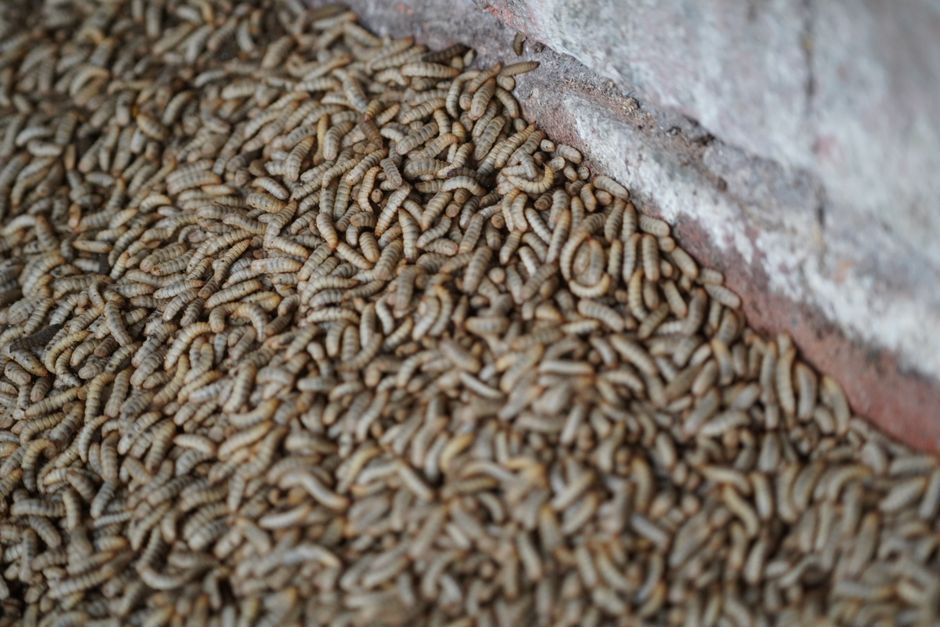
Pest Risk After Evictions: Prevent Infestations from Rubbish in London
Evictions are rarely neat. Once a property is emptied in a hurry, leftover rubbish, spoiled food, broken furniture, damp cardboard, and neglected bin bags can turn a messy situation into a pest problem very quickly. If you are dealing with pest risk after evictions: prevent infestations from rubbish in London, the real issue is not just tidying up. It is stopping the conditions that let rats, mice, flies, cockroaches, and even bed bugs spread from one neglected room to the next. In London, where buildings are close together and waste can sit in shared spaces, that risk climbs fast.
This guide explains what to look for, why rubbish becomes such a strong pest attractant, and how to clear a property safely and sensibly after an eviction. You will also find practical steps, common mistakes, and a checklist you can use straight away. Truth be told, the first few hours after an eviction often decide whether you end up with a clean turnaround or a lingering infestation that keeps coming back.
Quick expert summary: After an eviction, rubbish removal is not just housekeeping. It is pest prevention. The faster you remove organic waste, broken items, and hidden debris, the lower your risk of rats, flies, cockroaches, and odours taking hold.
- Why this matters in London
- How rubbish causes infestations
- Main benefits of prompt clearance
- Who needs this most
- Step-by-step action plan
- Expert tips
- Mistakes to avoid
- Tools and resources
- Compliance and best practice
- Options and comparison
- Real-world example
- Practical checklist
- Frequently asked questions
Why Pest Risk After Evictions: Prevent Infestations from Rubbish in London Matters
After an eviction, the property is often left with more than just a few bags of rubbish. There may be food waste, soiled textiles, used packaging, old mattresses, smashed furniture, and black sacks hidden behind wardrobes or under stairs. To pests, that is basically an open invitation.
London properties can be especially vulnerable because many homes, flats, and converted buildings share walls, floors, bins, and access routes. If rubbish remains in a hallway or backyard even overnight, the smell alone can attract pests. Rats and mice do not need much encouragement. Flies breed quickly in organic waste. Cockroaches love warmth, food scraps, and clutter. Bed bugs can be moved accidentally in items that were left behind.
This matters for landlords, housing officers, letting agents, property managers, executors, and private homeowners alike. A delay of just a day or two can mean a simple clearance becomes a pest-control job with added cleaning, sealing, and repeat visits. And let's face it, nobody wants to walk into a vacated property and hear scratching in the ceiling before the kettle has even boiled.
The financial side matters too. The longer rubbish stays in place, the greater the chance of damage to floors, skirting boards, stored items, and neighbouring units. In a block of flats, one neglected eviction can become a building-wide issue. That is where fast waste removal and a sensible clearance plan make all the difference.
If the property needs wider clearance beyond waste, a structured service such as property clearance can help reduce the risk of hidden debris being left behind in cupboards, lofts, basements, or outbuildings.
How Pest Risk After Evictions: Prevent Infestations from Rubbish in London Works
Pests are drawn to three things: food, shelter, and moisture. Rubbish provides all three, often in the same place. After an eviction, waste may be piled near entry points, left in bin liners that split open, or tucked into spaces that are hard to inspect properly. That is how a property shifts from "untidy" to "infestation-prone".
What attracts pests after an eviction
- Food residue from takeaway boxes, tins, bottles, and packaging.
- Soft waste such as mattresses, cushions, bedding, and fabrics that hold smell and moisture.
- Cardboard and paper that give nesting material and hiding places.
- Overflowing bins or loose rubbish left in communal spaces.
- Dead spaces behind wardrobes, under appliances, and in loft corners where waste can go unnoticed.
Once a pest finds that environment, it rarely stays alone. Rats and mice leave scent trails. Flies lay eggs in decomposing organic matter. Cockroaches can shelter in warm cracks close to food or damp. If rubbish is mixed with structural issues like broken vents, damaged seals, or gaps around pipes, the problem gets worse. A simple clean-out then turns into a full property reset. Bit of a grim picture, but an honest one.
Why London properties are at higher risk
In dense urban areas, waste does not sit in isolation. A missed bag in a rear alleyway can affect shared courtyards, terraces, and bin stores. Older buildings may have more voids, service gaps, and tucked-away access points. Some streets have limited refuse storage, so rubbish left after an eviction can sit exposed until collection. That is enough to draw pests from nearby areas.
For that reason, fast clearance should be paired with practical containment: seal food waste, separate salvageable items from junk, and remove refuse before it breaks down further. If the clearance includes large furniture, services like furniture removal and collection or bulky waste collection are often more effective than trying to drag everything out piecemeal.
Key Benefits and Practical Advantages
Preventing infestations from rubbish after an eviction is about more than hygiene. It creates a safer, faster, and more predictable return to use. The benefits show up quickly if the clearance is handled properly.
| Benefit | Why it matters | Practical result |
|---|---|---|
| Lower pest attraction | Food waste and nesting material are removed sooner | Less chance of rats, mice, flies, and cockroaches settling in |
| Reduced odour | Organic waste and damp items are cleared quickly | The property is easier to inspect, clean, and re-let |
| Less cross-contamination | Waste does not spread into communal areas or neighbouring units | Lower risk in blocks, terraces, and shared bins |
| Better safety | Clutter and broken items can hide sharps, mould, or pests | Clearer access for cleaners, inspectors, and contractors |
| Faster turnaround | Problems are identified before they escalate | Quicker move-on to repairs, cleaning, and reoccupation |
The practical advantage is simple: if the rubbish is dealt with early, you may avoid secondary work such as deep cleaning, pest treatment, and follow-up visits. That is especially helpful for landlords and agents who are trying to get a property back on the market without dragging the process out.
It also helps with reputation. Neighbours notice when waste is left to gather. Councils notice too. A tidy, prompt clearance is often the difference between a smooth handover and a headache that keeps growing.
Who This Is For and When It Makes Sense
This is not just a landlord problem, although landlords do face it a lot. The need appears whenever a property is vacated with waste left inside or around it.
- Landlords who need to secure and clean a property after an eviction.
- Letting agents managing urgent turnovers and inspections.
- Housing associations and property managers dealing with occupied-to-vacant transitions.
- Probate and estate teams clearing homes after sensitive situations.
- Homeowners who have taken back a property after an informal occupation or tenancy dispute.
- Block managers who need to protect shared entrances, bin areas, and courtyards.
It makes sense to act fast if you notice any of the following:
- bin bags, takeaway waste, or food containers left inside
- strong smells from damp rubbish or old food
- droppings, gnaw marks, or shredded material
- flies gathering near windows or waste piles
- rustling sounds in voids, lofts, or under floors
- mouldy fabrics, mattresses, or soft furnishings
In London, it is also worth considering whether the clearance affects communal access or shared waste stores. If the answer is yes, speed matters even more. The property itself may be the starting point, but the wider building can be impacted surprisingly quickly.
Step-by-Step Guidance
Below is a practical, no-nonsense process for reducing pest risk after an eviction. It works best when followed in order. Skipping a step usually comes back to bite later.
1. Inspect before moving anything
Do a cautious walk-through first. Look for evidence of pests, rotten food, sharps, broken glass, and hidden rubbish. Check cupboards, under beds, behind appliances, loft spaces, and any area where waste could have been pushed out of sight. If the smell is strong or there are signs of activity, avoid disturbing nesting material until you know what you are dealing with.
2. Separate waste from salvageable items
Not everything left behind is automatically rubbish. Some properties contain documents, reusable furniture, or items with legal or sentimental value. Set these aside carefully. Everything else should be sorted into waste streams where possible: food waste, mixed rubbish, bulky items, electricals, and recyclable materials.
3. Remove food waste first
Food waste is the fastest route to pests, so clear it first. Bin bags should be sealed properly and taken out of the property promptly. If possible, move them straight to an appropriate collection point rather than storing them in hallways or gardens overnight.
4. Clear bulky items and hidden clutter
Large items can shelter pests and trap debris underneath. Old sofas, mattresses, wardrobes, and broken cabinets should be removed with care. If you need support with larger items, sofa removal and collection or mattress removal and collection can reduce handling time and help avoid leaving scraps behind.
5. Bag, seal, and stage waste properly
Use strong sacks, double-bag contaminated rubbish where needed, and keep waste off the floor if it must be staged briefly. Avoid open piles. One open bin bag in a warm flat on a summer afternoon can attract flies almost embarrassingly fast. It happens.
6. Clean, disinfect, and dry
Once the waste is out, the property still needs a proper clean. Wipe hard surfaces, remove residue, and dry damp areas. Pests are strongly attracted to lingering crumbs, spills, and moisture. Do not forget under appliances, behind radiators, and along skirting.
7. Check for access points
Rubbish clearance alone will not solve a pest issue if pests can still get in. Inspect gaps around pipes, broken vents, damaged airbricks, and loose external seals. Seal obvious access routes if appropriate and safe to do so.
8. Monitor after clearance
After the initial clean-out, keep an eye on the property for fresh signs of activity. Traps, motion, droppings, and odours tell you whether you need further action. A one-off tidy-up is useful, but follow-through is what really protects the building.
Expert Tips for Better Results
In our experience, the difference between a successful post-eviction clearance and a frustrating one often comes down to small decisions made early.
Move in the right order
Always prioritise waste that can rot, leak, or smell. If you start with furniture and leave food waste for later, pests may already have had time to settle. That is backwards, really.
Do not overlook the outside area
Rear yards, bin stores, alleyways, and balconies can be the real pest trigger. Inside may look manageable, but an overflowing external pile can undo the work very quickly. Check around the property perimeter, not just the rooms.
Use the right clearance service for the waste type
If the waste is mostly general household rubbish, a straightforward clearance may be enough. If it includes old appliances, damp textiles, or large items, use the service that matches the load. For example, rubbish removal is useful for mixed waste, while white goods recycle is more appropriate for fridges, freezers, and similar items that need careful handling.
Remember the smell test
Oddly enough, smell is one of the clearest early warnings. A sour, sweet, or rotting smell often means there is waste hidden somewhere or liquid has seeped into flooring. If you can smell it, pests often can too. Not glamorous, but useful.
Build in a final sweep
After the main clearance, do one more room-by-room sweep with a torch. Late daylight can hide mess in corners. Early morning or late afternoon light tends to show dust, crumbs, and debris more clearly. A torch beam along skirting boards can reveal more than a rushed daytime glance.
Common Mistakes to Avoid
Some problems keep returning because the same mistakes are made over and over. These are the big ones to avoid.
- Leaving rubbish in bags for later - if bags sit in the property or hall, smells and pests spread fast.
- Ignoring soft furnishings - mattresses, curtains, and cushions can hold pests or organic residue.
- Cleaning around waste instead of removing it - surface cleaning is not enough if the attractant stays put.
- Forgetting hidden storage areas - lofts, cupboards, under stairs, and voids often contain the worst leftovers.
- Mixing rubbish with valuables - sorting mistakes waste time and can destroy important items.
- Skipping the exterior - an alley pile or bin overflow can trigger the same issue again.
- Underestimating shared spaces - one flat can create pest pressure for the whole building.
One subtle mistake is delaying action because the property looks "not too bad." In eviction clearances, what you can see is rarely the whole story. A tidy-looking surface can hide stale food, dead insects, damp cardboard, or a nest behind an appliance. Best to be thorough the first time.
Tools, Resources and Recommendations
You do not need specialist gear for every job, but a few basic tools make the process safer and faster.
- strong refuse sacks and bin liners
- gloves suitable for dirty waste handling
- face covering if dust, odour, or debris is heavy
- torch for checking corners and voids
- heavy-duty bags or boxes for sorting
- cleaning materials for hard surfaces
- sealant or temporary blocking materials for obvious gaps
Where the clearance involves lots of bulky waste, use a service that can remove items in one visit rather than shifting them in stages. bulk waste collection and large item collection are practical options when a property has been left with sofas, broken cabinets, mattresses, or heavy general waste.
If the waste has been spread through a full home rather than one room, a broader house clearance can be a better fit, especially where speed and containment matter. For smaller flats, flat clearance is often the more efficient route.
For the disposal side, it can help to think in terms of waste type rather than just volume. Some items can be recycled or handled separately, and that reduces the chance of a mixed heap becoming a pest magnet while it waits to be collected.
Law, Compliance, Standards, or Best Practice
After an eviction, waste handling should be approached carefully and in line with normal UK best practice. You do not need to turn the job into a legal essay, but you do need to avoid obvious mistakes that create risk for occupants, neighbours, or contractors.
In practical terms, that means the waste should be stored securely, kept out of communal routes where possible, and removed promptly by a competent waste carrier or clearance provider. If there are sharps, contaminated materials, or signs of pest activity, extra caution is sensible. Health and safety duties also matter during manual handling, trips, falls, and contact with dirty items.
For managed buildings, it is wise to document what was found, what was removed, and whether any pest evidence was noticed during clearance. That record can be helpful if the issue comes up again. It is one of those boring admin habits that saves time later. A bit tedious, yes, but worth it.
Good practice also means checking whether the property needs follow-up work such as deep cleaning, sealing access points, or professional pest treatment. Clearance alone removes the food source, but it does not always remove the cause.
Options, Methods, or Comparison Table
There is more than one way to deal with post-eviction rubbish, but they are not equally effective for pest prevention. The best choice depends on the amount of waste, urgency, and whether you are dealing with shared access or contamination.
| Method | Best for | Pros | Limitations |
|---|---|---|---|
| DIY bagging and binning | Very small amounts of clean waste | Low cost, simple | Slow, messy, risky if waste is contaminated or bulky |
| Council collection route | Non-urgent larger items where available | Can work for scheduled disposal | May not suit urgent eviction turnarounds or mixed waste |
| Specialist clearance service | Mixed rubbish, bulky items, urgent cleanouts | Faster, safer, less exposure to pests | Usually costs more than DIY |
| Combined clearance and cleaning | Properties with smell, residue, or pest evidence | More complete reset | Needs coordination and clear scope |
In many London eviction scenarios, a specialist clearance is the most sensible route because time matters and waste often includes several different item types. If the issue is linked to a broader collection or disposal need, pages like waste collection and waste disposal may also be relevant depending on how the job is being organised.
Case Study or Real-World Example
Here is a realistic example from the kind of situation property teams run into all the time.
A two-bedroom flat in inner London was returned after an eviction. At first glance, the main rooms looked cluttered but manageable. Once the team started checking cupboards and the kitchen corner, they found old takeaway containers, food packaging, damp cardboard, and several bin bags hidden behind a wardrobe. The hall smelled faintly sweet and sour, which is never a great sign.
The property manager paused the general clean and arranged for the waste to be removed in one pass. Bulky furniture came out first, then the rubbish bags, then the soft furnishings. The team checked the back of the kitchen units, the bathroom boxing, and the edge of the living-room floorboards. A few entry gaps were noticed around pipework, so those were flagged for repair.
What changed the outcome was speed and order. Because the food waste and hidden rubbish came out early, the property did not progress into a larger pest problem. It still needed cleaning, of course, but the job stayed contained. No drama, no repeat infestation chasing, no "where are these flies coming from?" moment a week later.
That is the practical lesson: after an eviction, the rubbish is not just rubbish. It is the trigger point.
Practical Checklist
Use this checklist before and after the main clearance. It keeps the job simple and reduces the chance of missing something awkward.
- Inspect the property carefully before moving waste
- Look in cupboards, lofts, under beds, and behind appliances
- Identify food waste and remove it first
- Separate salvageable items from general rubbish
- Bag waste securely and avoid open piles
- Remove bulky items that can shelter pests
- Clear outside spaces, bin stores, and alleyways
- Clean hard surfaces and dry damp areas
- Check for droppings, gnaw marks, or insect activity
- Seal obvious gaps where pests could enter
- Arrange follow-up pest treatment if needed
- Keep a simple record of what was found and removed
If you complete those steps in order, you are already ahead of most rushed post-eviction clearances. It sounds straightforward because, honestly, it is. The challenge is doing it properly when everyone wants the job finished yesterday.
Get a free quote today and see how much you can save.
Conclusion
Post-eviction rubbish is more than an eyesore. In London, it can become a fast-moving pest risk that spreads through a property and into shared areas before anyone has time to react. The best prevention is simple in principle: clear waste quickly, remove food sources first, inspect hidden spaces, and deal with any access points or lingering moisture.
If you are handling an eviction clean-out, think in terms of containment, not just removal. The goal is not merely to make the place look better for the next viewing. It is to stop the infestation cycle before it starts. That saves time, avoids extra cost, and protects the wider building. And once the place is cleared, cleaned, and quiet again, you will feel the difference straight away. A fresh start, properly done.
Frequently Asked Questions
How quickly can rubbish cause a pest problem after an eviction?
Very quickly, especially if there is food waste, damp packaging, or bags left in a warm room. Flies can appear fast, and rats or mice are more likely to investigate if rubbish is left near external access points or bin stores.
What pests are most likely to appear after an eviction in London?
The most common risks are rats, mice, flies, cockroaches, and sometimes bed bugs if textiles or furniture are left behind. The exact risk depends on the type of waste, the building layout, and how long the rubbish has been sitting there.
Is it enough to just take the rubbish outside?
Usually not. If rubbish is moved to a hallway, yard, or communal bin area and left there, it can still attract pests. The aim is prompt, secure removal from the property and from any exposed holding area.
Should I clean the property before or after rubbish removal?
After the rubbish is removed. Cleaning around waste is less effective because the attractant is still present. Once the main waste is gone, you can clean residue, odours, and hidden debris more thoroughly.
What if the eviction left behind a lot of furniture and mattresses?
Bulky items should be removed as part of the clearance plan, not left until last. Sofas and mattresses can hide pests, hold smells, and make it harder to spot what is underneath. In many cases, a bulky-item service is the cleaner option.
Do I need pest control as well as rubbish clearance?
Sometimes yes. If there are droppings, live activity, gnaw marks, nesting material, or a strong ongoing smell, clearance alone may not be enough. The waste source must be removed, but the property may also need pest treatment or sealing work.
Can rubbish in one flat affect the rest of the building?
Yes, absolutely. Shared walls, bins, corridors, and voids can let pests move between units. That is why post-eviction rubbish in flats and blocks should be dealt with quickly and carefully.
What should I check first after taking back an empty property?
Start with signs of food waste, droppings, damp spots, and hidden rubbish in cupboards or behind furniture. Then check external areas like bin stores, rear yards, and access routes. A torch helps more than people expect.
Are old clothes and bedding a pest risk?
They can be. Soft items may hold food residue, moisture, or bed bugs, and they can also provide nesting material. Anything damp, dirty, or heavily cluttered should be treated as potential pest attractant until checked.
How can I reduce the chance of pests coming back after clearance?
Remove all waste promptly, clean all residue, seal access gaps, keep the property dry, and monitor for new activity. If the property is in a block or has repeated issues, a follow-up inspection is worth considering.
Is it better to use a council collection or a private clearance service?
It depends on urgency and the waste type. Council collections can suit some non-urgent items, but they are not always ideal for eviction turnarounds, mixed waste, or heavily contaminated rooms. A private clearance service is often faster and more practical in those cases.
What is the biggest mistake people make after an eviction?
Waiting too long. The second biggest mistake is assuming the problem is only visual. In reality, the smell, moisture, and hidden debris are what make the property attractive to pests. Deal with those early and the whole job gets easier.